
NSW자유게시판
Review: 'Dhurandhar' Delivers High-Octane RAW Espionage, But Twists Feel Forced

Dhurandhar is a riveting Bollywood spy thriller built around a high-stakes undercover operation by RAW agent Humza in Pakistan, initiated by strategist Ajay Sanyal. Strengths include the intense double-agent dynamics, the complex gangster-politician power struggle, and the gripping tension of Humza's infiltration. The film excels in showcasing the difficulty of covert operations. However, the film's weakness lies in the final, dramatic twist—Humza saving the target (Dacait) to find "bigger networks"—which feels contrived and awkwardly forces a tragedy for impact.
1. Plot Tension and Pacing ⏱
Intrigue: The film successfully establishes high-stakes tension as Agent Humza tries to infiltrate the notorious Rehman Dacait's gang.
Setup: The initial stages, where fellow spy Alam helps Humza become Dacait's trusted aide, are well-paced and highly engaging.
2. Performance and Character Dynamics 🎭
Humza's Role: The lead actor delivers a convincing performance, portraying the constant stress and resourcefulness required of a deep-cover RAW agent.
Villain Complexity: Rehman Dacait is portrayed as a powerful and ruthless figure, adding layers to the spy vs. gangster dynamic.
3. Critical Flaw: The Forced Climax 🚧
The Twist: The climax centers on Humza saving Dacait from an assassination plot (by Jamali and Chaudhary) to find larger terror networks.
Issue: This decision, leading to "major destruction," strains credibility and feels like a narrative shortcut to achieve a tragic ending.
4. Technical Execution and Scope 🎥
Action: The film likely boasts high-quality action sequences typical of a modern Indian thriller, matching the perilous setting.
Themes: It successfully explores themes of patriotism, intelligence failure, and the moral ambiguity of border espionage.
#Dhurandhar #BollywoodReview #SpyThriller #RAWFilm #ActionMovie #Undercover #DoubleAgent #FilmCritique #IndianCinema #Espionage
자유게시판
General Discussion Board Guidelines
자유게시판 채널 이용 안내

Nina Dobrev’s Aussie Era: Filming Bear Country & Life After Shaun White

Best Solar Inverters Australia 2026: Hybrids, V2G & Top Brands Ranked

Google Core Update 2025 Australia: Survival Guide & Recovery

Australia Heatwave 2026: Catastrophic Fire Danger & Pyroconvection Alert

Minneapolis ICE Shooting: Travel Safety & The Death of Renee Good

Best AI Tools Australia 2026: Top Picks for Work, Coding & Free Apps

LEGO 2026 Australia Guide: Smart Play, Ninjago 15th & Price List

Stranger Things Down Under: The Sydney Studio Behind ‘Tales From ’85’ & The Truth About Episode 9

Michael Schumacher Author Tribute: Remembering the Dharma Lion Biographer

LEGO SMART Play Australia: Release Date, Tech & Star Wars Prices Revealed

Trump’s 2026 Venezuela Raid: What Maduro’s Capture Means for Australia

Aussie Stars Dominate & 'One Battle After Another' Sweeps: The 2026 Critics Choice Awards Recap

Is the NSW Govt Holding Your Cash? Search the $300M Unclaimed Money Pool (2026)

'부산의 광속 서버' 샘 그로스, 정계 은퇴 선언: 스캔들, 소송, 그리고 내부의 적

Vale Phoenix Spicer: AFL Community Mourns Tragic Loss at 23

Lachie Neale Quits Captaincy: The "Unimaginable Betrayal" and What It Means for the Lions in 2026
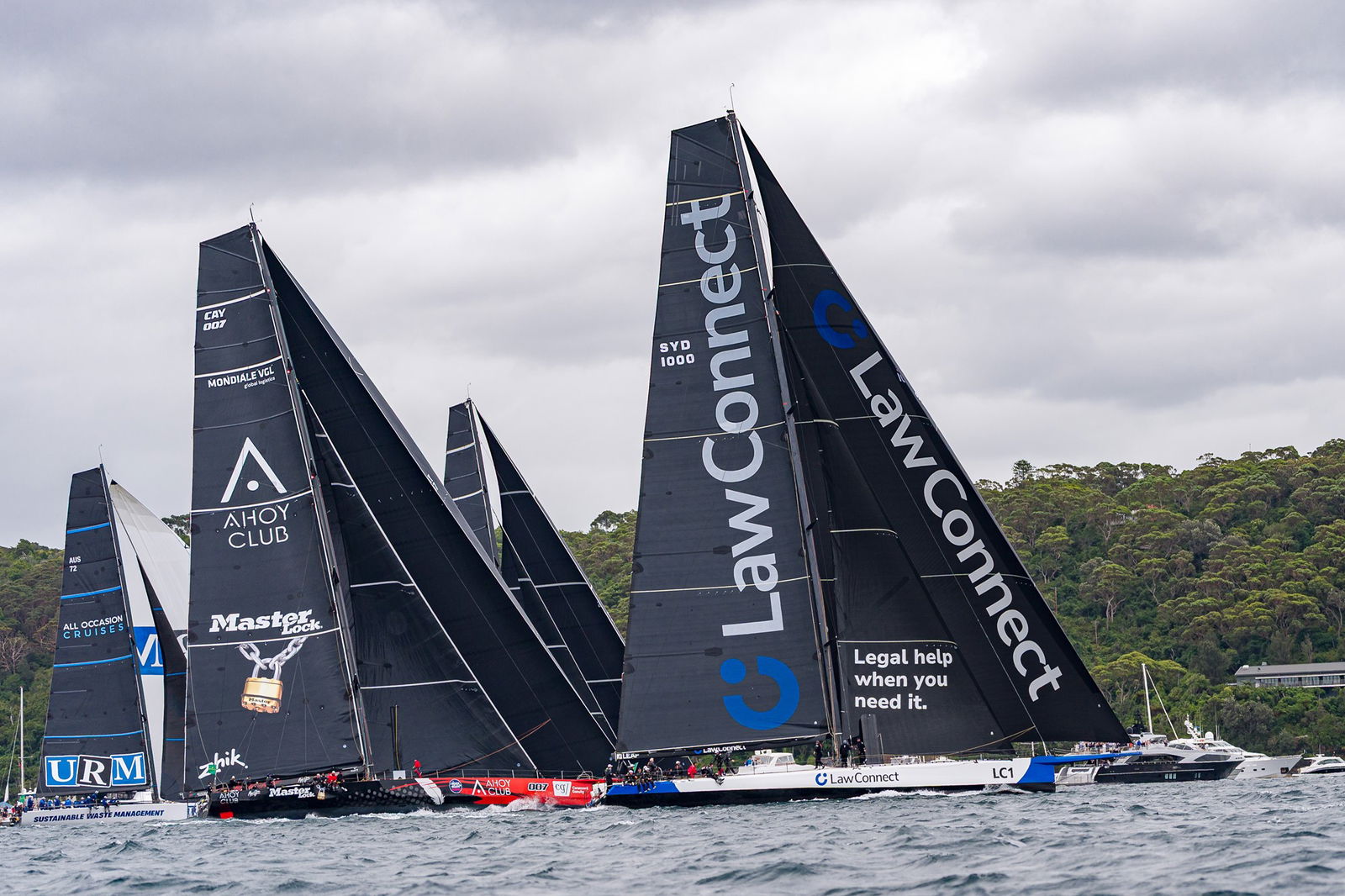
History Made at the 80th Rolex Sydney Hobart: Min River Claims Overall Victory After Protest Drama

Tasmania’s Wild Summer 2025: From White Christmas to Bushfire Alerts

The Great Aussie Ute Transition: What to Buy in 2025 and 2026
